 YU Sleep ReviewsIndependent Research & Buyer Guides
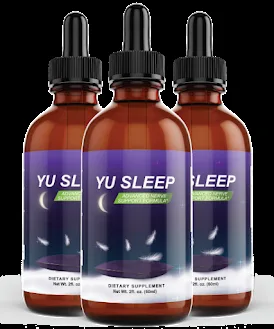
YU Sleep's formula splits into two worlds: three ingredients with doses printed right on the label, and seven more grouped inside a single 637 mg proprietary blend. That structure shapes everything on this page, so we'll walk the disclosed doses first, then open the blend ingredient by ingredient, and finish with the honest math on what a 637 mg blend can and can't deliver.
One rule we keep everywhere on this site: research on an ingredient describes what that ingredient can do at studied doses. It is not proof that this finished product works, and no finished-product trial for YU Sleep has been published.
The formula at a glance
| Ingredient | Label amount | Category | Evidence strength for sleep |
|---|---|---|---|
| Melatonin | 0.9 mg | Circadian hormone | Strong |
| Vitamin B6 | 0.5 mg | B vitamin / cofactor | Early |
| Vitamin B2 | 0.5 mg | B vitamin / cofactor | Early |
| Red tart cherry juice concentrate | In 637 mg blend | Botanical, melatonin source | Modest, small trials |
| Magnesium glycinate | In 637 mg blend | Mineral (chelated) | Modest |
| Apigenin | In 637 mg blend | Flavonoid (chamomile) | Early |
| Lemon balm extract | In 637 mg blend | Botanical | Early |
| 5-HTP (Griffonia seed extract) | In 637 mg blend | Amino acid, serotonin precursor | Mixed |
| L-Theanine | In 637 mg blend | Amino acid (tea) | Modest |
| GABA | In 637 mg blend | Neurotransmitter | Limited, mixed |
The disclosed doses
Melatonin — 0.9 mg
Melatonin is the hormone your pineal gland releases when darkness falls, and it's the most researched ingredient in the bottle. A 2013 meta-analysis of randomized trials found it improves sleep quality and shortens the time to fall asleep in primary sleep disorders. The interesting part here is the dose: most retail melatonin products carry 3 to 10 mg, while physiological and low-dose research — including classic dose-finding work — suggests amounts in the 0.3 to 1 mg range can trigger sleep onset without the next-day grogginess and vivid dreams that higher doses sometimes bring. At 0.9 mg, YU Sleep sits right in that low-dose window, which is the most defensible formulation decision it makes.
Vitamin B6 — 0.5 mg
B6 (pyridoxine) is a cofactor in the biochemical pathway that converts tryptophan to serotonin and serotonin to melatonin. At 0.5 mg the dose is near the daily requirement rather than a therapeutic megadose, so think of it as pathway support — keeping the melatonin-production machinery supplied — rather than a sedative effect of its own. Direct sleep trials with B6 are preliminary, including small studies on dream recall and sleep during deprivation.
Vitamin B2 — 0.5 mg
Riboflavin sits upstream of the same story: it helps recycle and activate other B vitamins and supports cellular energy metabolism in the brain. Observational work has linked riboflavin intake with sleep quality measures, but that's association, not causation. Like B6, it's a supporting player.
Inside the 637 mg blend
Red tart cherry juice concentrate
Tart cherries are one of the few natural food sources of melatonin, and they carry proanthocyanidin antioxidants that may slow melatonin breakdown. Small randomized trials — including a pilot in older adults with insomnia — report better sleep quality and longer sleep time from tart cherry juice. Listed first in the blend, it's plausibly the largest component, and it gives the formula its "cherry trick" marketing identity. Evidence: modest but real, in small studies.
Magnesium glycinate
Magnesium participates in hundreds of enzymatic reactions, including those regulating the neurotransmitters behind relaxation, and low magnesium status is associated with poorer sleep. Supplementation trials — particularly in older adults with low magnesium intake — report improved sleep quality and sleep time. The glycinate form is chosen for gentler digestion and good absorption. The catch: sleep trials typically use hundreds of milligrams of magnesium compounds, and an undisclosed share of 637 mg split seven ways is almost certainly less than that. Likely a supporting dose, not a headline one.
Apigenin
Apigenin is the flavonoid that made chamomile famous. It binds to benzodiazepine sites on GABA-A receptors — the same receptor family prescription sleep medications target, though with far less force — and early human work, mostly in combination formulas, points toward better sleep quality. Evidence is early-stage, but the mechanism is coherent and the safety profile at dietary levels is comfortable.
Lemon balm extract
Lemon balm (Melissa officinalis) is a traditional calming herb with modern chemistry to back the tradition: it influences GABA signaling and shows anxiolytic (anxiety-easing) effects in small trials, usually in combination with other botanicals. It's a reasonable "quiet the racing mind" inclusion, again at an early evidence tier.
5-HTP (Griffonia seed extract)
5-HTP is the direct chemical precursor to serotonin, which is in turn the precursor to melatonin — so it feeds the same pathway as the B vitamins, but from further upstream. Older and small studies suggest sleep and mood benefits; modern data is thinner, and the ingredient comes with the formula's most important caution: combined with SSRI or MAOI antidepressants, 5-HTP can push serotonin too high. If you take serotonergic medication, this one ingredient moves YU Sleep from "ask your doctor if unsure" to "ask your doctor before buying."
L-Theanine
Theanine, the relaxation-associated amino acid in tea, improves subjective sleep quality in human trials without acting as a sedative — people feel calmer rather than knocked out. A 2022 trial of a magnesium-theanine complex reported better sleep quality scores. Studies usually use 100 to 200 mg; where it lands inside the blend is unknown, but it's one of the formula's more welcome inclusions.
GABA
Gamma-aminobutyric acid is the brain's main inhibitory neurotransmitter — the biochemical "brake pedal." Oral GABA's ability to reach the brain is debated, yet small human trials, including a GABA plus L-theanine combination study that cut sleep latency, keep the hypothesis alive. Evidence tier: limited and mixed, but not implausible.
The honest math on a 637 mg blend
Seven actives sharing 637 mg averages about 91 mg each, and blends rarely distribute evenly. Compare that with doses commonly used in the research: GABA trials 100–300 mg, L-theanine 100–200 mg, magnesium compounds several hundred mg, 5-HTP trials often 100–300 mg, apigenin sleep work around 50 mg. The arithmetic suggests tart cherry concentrate likely dominates, several others sit at supporting doses, and a buyer simply cannot verify each amount.
Blends protect formulation details and keep labels compact, and they're legal and common. What they cost the buyer is dose transparency: you can confirm presence but not amount. If exact, research-matched dosing is a personal requirement, this formula won't satisfy you — a fully disclosed single-ingredient stack would.
What the formula leaves out
Just as notable as what's in the bottle is what isn't: no high-dose melatonin, no sedating antihistamines (like diphenhydramine, the active in many "PM" products), no alcohol, and no habit-forming compounds. That restraint is part of the product's identity — it's aiming for a gentle circadian nudge plus calm, not a sledgehammer. The label's inactive ingredients (flavoring, sweeteners, preservatives typical of a liquid) aren't independently documented in our research, so check the current bottle if you have sensitivities.
How the ten pieces fit together
The formula reads as three coordinated lanes: a timing lane (melatonin, tart cherry, B6, B2) working on the circadian signal; a recovery lane (magnesium glycinate) tied to restorative sleep physiology; and a calm lane (GABA, L-theanine, apigenin, lemon balm, 5-HTP) aimed at the overactive evening mind. Whether the doses are enough is the open question covered on our how it works page, and the exact label layout lives on the supplement facts page.
Ingredients FAQ
Is 0.9 mg of melatonin enough to do anything?
Yes — and for some people it's the right amount. Low-dose research finds 0.3 to 1 mg effective for sleep onset, and lower doses are less associated with next-day grogginess. It won't sedate you the way a 10 mg dose might; that's intentional.
Which ingredient matters most for safety screening?
5-HTP. If you take SSRIs, MAOIs, or other serotonergic drugs, or if you're pregnant or nursing, talk with your doctor before using any product containing 5-HTP, this one included.
Why can't I see each blend ingredient's amount?
US supplement labeling allows groups of ingredients to be listed as a single blend with one total weight. Presence is disclosed; individual amounts are not. That's a labeling rule, not a defect unique to this product.
References
- Ferracioli-Oda E, et al. Meta-analysis: melatonin for the treatment of primary sleep disorders. PLoS One. 2013. PubMed: 23691095
- Howatson G, et al. Effect of tart cherry juice on melatonin levels and enhanced sleep quality. Eur J Nutr. 2012. PubMed: 22038497
- Hwang J, et al. GABA and l-theanine mixture decreases sleep latency and improves NREM sleep. Pharm Biol. 2019. PubMed: 30707852
- Zhao Y, et al. Mg-L-Theanine improves sleep quality. Front Nutr. 2022. PubMed: 35495958
- NIH Office of Dietary Supplements. Vitamin B6 Fact Sheet. ods.od.nih.gov
- NIH Office of Dietary Supplements. Riboflavin Fact Sheet. ods.od.nih.gov
- NIH Office of Dietary Supplements. Magnesium Fact Sheet. ods.od.nih.gov
Want to see the formula in current package options?
The official checkout shows today's bundles, pricing, and any included guides.
View YU Sleep PackagesOfficial checkout · 60-day guarantee per vendor