 YU Sleep ReviewsIndependent Research & Buyer Guides
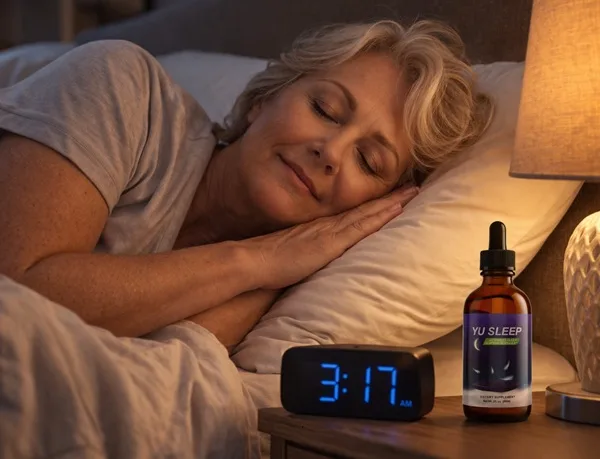
Short answer: YU Sleep is designed to work on three physiological fronts at once — circadian timing, sleep depth, and nervous-system calm — using a low dose of melatonin plus a botanical and amino-acid blend. That's a plausible, research-fluent design. What follows is the mechanism as claimed, the physiology behind it, and a straight answer on how much of it is established science versus vendor storytelling.
Sleep pressure, in one paragraph
Two systems run your sleep. The circadian clock says when you should sleep, and the sleep pressure system says how much you need it. Pressure builds all day as a molecule called adenosine accumulates in the brain; by night, high adenosine plus a melatonin signal from the pineal gland tip you into sleep, and pressure drains until morning. Caffeine works by blocking adenosine receptors; bright evening light works against you by delaying the melatonin signal; chronic stress keeps the nervous system's accelerator pressed while the brakes try to work. Most everyday sleep trouble is one of these three dials out of tune — which is exactly the trio YU Sleep's formula aims at.
The three lanes the formula works in
| Lane | Physiological target | Ingredients assigned to it | What they're supposed to do |
|---|---|---|---|
| Timing | Circadian melatonin signal | Melatonin 0.9 mg, tart cherry, B6, B2 | Tell the brain it's night; supply the melatonin-production pathway |
| Depth | Restorative slow-wave sleep | Magnesium glycinate | Support the sleep stages tied to physical recovery |
| Calm | Nervous-system over-activation | GABA, apigenin, lemon balm, L-theanine, 5-HTP | Lower the mental noise that delays sleep onset and causes wakeups |
Lane 1: Timing
The 0.9 mg melatonin dose is a circadian signal, not a sedative — at physiological doses melatonin shifts the timing of sleepiness more than it forces sleep. Tart cherry adds a natural melatonin source plus antioxidants, and the B vitamins supply cofactors for the pathway that manufactures your own melatonin from tryptophan. This lane has the strongest grounding: low-dose melatonin research is solid, and tart cherry has small positive trials.
Lane 2: Depth
Magnesium is involved in the neurotransmitter regulation behind deep, slow-wave sleep, and supplementation trials — particularly in people with low magnesium status — report better sleep quality and longer sleep. The honest caveat: those trials use doses that an undisclosed share of a 637 mg, seven-ingredient blend almost certainly doesn't reach. The lane is well chosen; the dose is unverified.
Lane 3: Calm
This is the "racing mind" lane, and it's the most crowded. GABA is the brain's inhibitory neurotransmitter; apigenin and lemon balm touch the same GABA receptor system gently; L-theanine promotes relaxed alertness and better subjective sleep quality; 5-HTP feeds serotonin, the mood and relaxation pathway that also manufactures melatonin. Small human trials support pieces of this — the GABA plus L-theanine combination cut sleep latency in one published study — but several components sit at the early-evidence tier, and again, blend doses are undisclosed.
The vendor's claimed timeline
The official sales page describes a typical progression: easier sleep onset in the first nights, fewer wakeups within the first week or two, and a "full sleep system reset" over three to six months of consistent use. Treat that as vendor-reported marketing, not measured data — it's a description of how customers reportedly experience the product, and individual results vary by definition. It does contain one useful idea: consistency over weeks matters more than any single night, which matches how circadian interventions generally behave.
Where the theory outruns the evidence
Three gaps a careful buyer should hold in mind:
- No finished-product trial exists. Every mechanism above is ingredient-level reasoning. Combinations can synergize, add up, or interfere; only a trial on the finished formula would say which.
- The blend hides doses. A mechanism is only as good as its doses, and seven of ten ingredients' amounts are undisclosed.
- "Nano-enhanced" absorption is unverified. The vendor publishes no independent particle-size or bioavailability data we could find.
None of this makes the product a scam — the ingredient selection is genuinely coherent — but it places YU Sleep in the category of plausible, unproven formula, which is where essentially all supplements in this market live.
How it compares to the alternatives people actually weigh
- Melatonin-only products: stronger single signal, often overdosed, nothing for calm or depth.
- Magnesium or L-theanine singles: transparent doses, but one lane each and more pills to juggle.
- Prescription sleep medication: real efficacy, real side-effect and dependency considerations; different league entirely.
- CBT-I (cognitive behavioral therapy for insomnia): the clinical gold standard for chronic insomnia — no bottle involved, and the most durable results in the literature. For diagnosed insomnia, it beats any supplement, this one included.
YU Sleep's pitch is convenience and breadth: ten ingredients, three lanes, one dropper, no pills. Whether that breadth matters at undisclosed doses is precisely the question only a finished-product trial could answer.
Making the mechanism work for you
Mechanisms behave differently inside a real evening. The drops pair with a wind-down window — take them about 30 minutes before bed, then actually dim the lights and put the phone down, because no GABA pathway competes with two hours of bright scrolling. Our dosage guide covers timing, consistency, and missed nights; the ingredient guide goes deeper on each compound.
Mechanism FAQ
Does YU Sleep knock you out like a sleep drug?
No, and it isn't designed to. Low-dose melatonin signals timing, and the calming botanicals ease toward sleep rather than forcing it. Expect a gentler slope into sleep, not a switch.
Why would it take weeks to "work"?
Circadian systems adapt slowly. Any product claiming to rebuild sleep rhythms is describing a weeks-long process, which is also why the 60-day guarantee window matters — it covers the adaptation period.
Is the "sleep pressure" story real science?
Sleep pressure and adenosine are established physiology — it's the basis of how caffeine works. What's unproven is the claim that this specific formula "resets" that system; that part is vendor framing built on real concepts.
References
- Ferracioli-Oda E, et al. Meta-analysis: melatonin for primary sleep disorders. PLoS One. 2013. PubMed: 23691095
- Howatson G, et al. Tart cherry juice and sleep quality. Eur J Nutr. 2012. PubMed: 22038497
- Hwang J, et al. GABA and l-theanine mixture decreases sleep latency. Pharm Biol. 2019. PubMed: 30707852
- NIH Office of Dietary Supplements. Magnesium Fact Sheet. ods.od.nih.gov
See the current YU Sleep offer
Current packages and pricing live on the official checkout.
Check Current OfferOfficial checkout · 60-day guarantee per vendor